

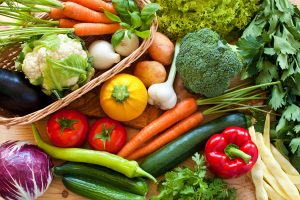
 As social media platforms and celebrity culture drives us towards leading healthier lives, we’re now more conscious about what’s in our food than ever before. For restaurants, cafes and food outlets, this means sourcing fresh ingredients — but is the economy working against you?
Recent news headlines seem to suggest so. One report by The Guardian warns that the price of imported fruit and vegetables will increase by eight per cent as a result of Brexit. Others say that prices will increase by as much as 50 per cent due to a lack of farm workers following Britain’s exit from the European Union, while others predict rotting produce across British fields.
A rise in price for raw ingredients is naturally worrying for Britain’s food outlet owners as the increased expenditure could mean a price hike for the end customer — which has the potential to limit sales.
So, just how much has the price of British produce changed since the country’s European Union exit announcement? Examining the figures behind the headlines is Inn Supplies, retailer of paper cups.*
Vegetables
Whether they’re served as a side dish or as a core ingredient in meals, it goes without saying that vegetables are key for food outlets — but how have the prices of key vegetables changed over the 12-month period?
Sweetcorn
On 5 August 2016, the wholesale price for a sweetcorn cob was 30p. By 4 August 2017, this price had increased to 32p per cob, showing an increase of 2p.
Tomato
On 24 June 2016 — the day immediately following Britain’s Brexit vote — a kilo of quality round tomatoes would cost restaurants and cafes 76p. On 23 June 2017 — exactly one year on from the EU referendum — the price had rocketed to £1.08.
Carrot
Carrots are one vegetable that actually reduced in price since Brexit. On 24 June 2016, topped-washed carrots cost 43p per kilo. On 23 June 2017, this price had dropped to 38p.
Peas
On 24 June 2016, a kilo of shelling peas cost £1.30; by 23 June 2016, the price had increased to £1.72, showing a 42p rise.
Brussels sprouts
On 26 August 2016, one kilo of Brussels sprouts cost 63p. By 25 August 2017, the price had almost doubled to £1.21 per kilo, showing one of the most significant increases of all of the vegetables we have featured.
Cauliflower
In the week commencing 24 June 2016, food outlets were paying 50p per cauliflower head. By 16 June 2017, less than a year later, the price had actually reduced — down 2p to 48p per head.
Asparagus
Asparagus is one of the priciest of all vegetables reviewed. On 24 June 2016, a kilo of asparagus cost £5.39. As of 23 June 2017, this price stood at £8.64 per kilo, showing price growth of £3.25.
Runner beans
On 24 June 2016, runner beans cost £5.51 per kilo on average. On 23 June 2017, this price had risen by 11p to £5.62.
Fruit
Fruits are used in many pubs, bars and restaurants as a garnish or indeed as a key ingredient when making drinks and desserts. Here’s how their prices have been influenced.
Cherries
On 1 July 2016, a kilo of sweet black cherries cost £5.19 on average. On 30 June 2017, the price had reduced to £3.74 per kilo, showing a drop of £1.45.
Raspberries:
On 24 June 2016, raspberries cost an average of £5.01 per kilo. By the 23 June 2017, this price had climbed to £6.31, showing an increase of £1.30 per kilo.
Strawberries:
On 24 June 2016, quality strawberries cost £3.29 per kilo on average. 23 June 2017 saw this price drop to £3.02, a decrease of 27p.
What does this mean for food outlets?
As the above data shows, with the exception of carrots and cauliflowers, the vegetables we reviewed have all witnessed a significant increase in price since the EU referendum.
When it comes to fruit, there is greater variation in price between varieties — where raspberries increased in price, strawberries and cherries actually decreased.
Of course, with the seasonality of the produce, prices will naturally rise and fall. However, given the uncertainty of Brexit, it is very likely that Britain’s leave vote has had an influence on the price of produce.
A main concern for restaurant and café owners is minimising costs to maximise profits. As a result of these increasing costs, some may be tempted to switch from fresh to frozen produce. However, doing so may lead to customer dissatisfaction as consumers strive to lead healthier lifestyles.
One way food outlets can deliver fresh food and keep costs to a minimum without compromising on taste is by cooking a seasonal menu. Ingredients are usually cheaper when they’re in season, as they are more plentiful and often do not need to be imported. Your customers will appreciate a menu that changes regularly too, as it helps to keep your food offering fresh.
Savings can also be made by selecting the quality of your produce based on how the ingredients will be used. For example, you may be able to use a lower quality vegetable for stews or curries.
Before you rush to increase your prices to account for the changes in ingredients, it’s important to recognise that the fluctuations in price could even themselves out — what you’re paying extra for one vegetable could be accounted for in cost savings on a type of fruit.
The market will naturally change over time, but only alter your prices when you’re sure you absolutely have to. Customers will never like paying more for the same meal, so tread carefully to avoid driving away your customers with a huge price hike — make your changes incremental and only when you need to.